
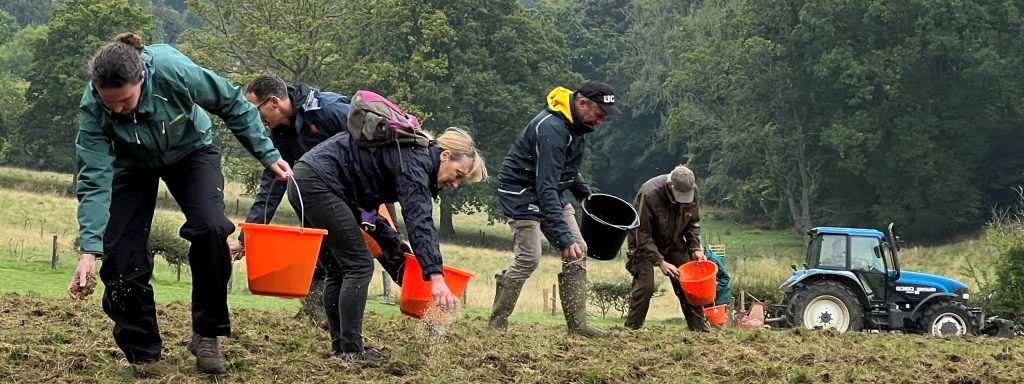
The Malvern Hills National Landscape (MHNL) is made up of a variety of special places or habitats. Bringing these areas into good condition and keeping them in good condition is a priority for the National Landscape Partnership. The most important habitats and examples of work to conserve them are as follows.
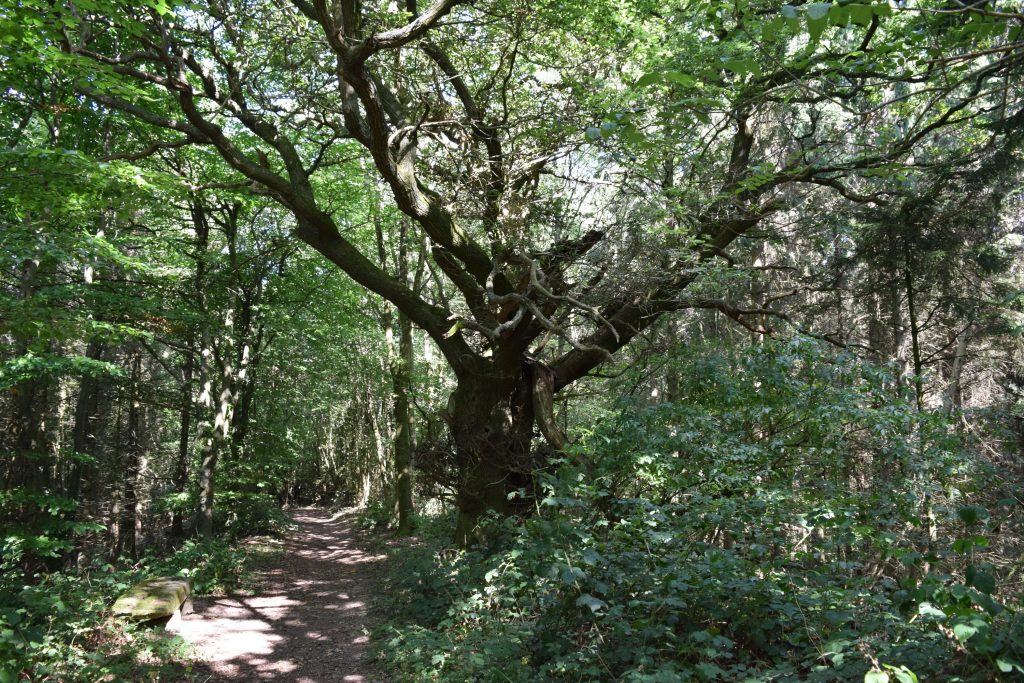
Mixed Native Woodlands
23.3% of the MHNL is woodland. Our key aims are to increase tree cover and to ensure that native woodlands are well managed and resilient to a changing climate.
Download a 2025 paper summarising recent work in this area
Traditional Orchards
Traditional orchards are a key part of the social and cultural history of the 3 counties and one of the most important wildlife habitats today. We are working with others to restore and manage existing traditional orchards and to create new ones too.
3 Counties Traditional Orchard Project
Species-rich grasslands
Just over 36% of the MHNL is permanent grassland. The majority of this will have been fertilised, reseeded or otherwise improved for agriculture in the past and is now species-poor. We are working to bring more species-richness back to grasslands in the area.
Road verge management pilot project
Download a summary of meadows restoration work
Download a good practice case study on creating and managing wildflower meadows with horses and ponies
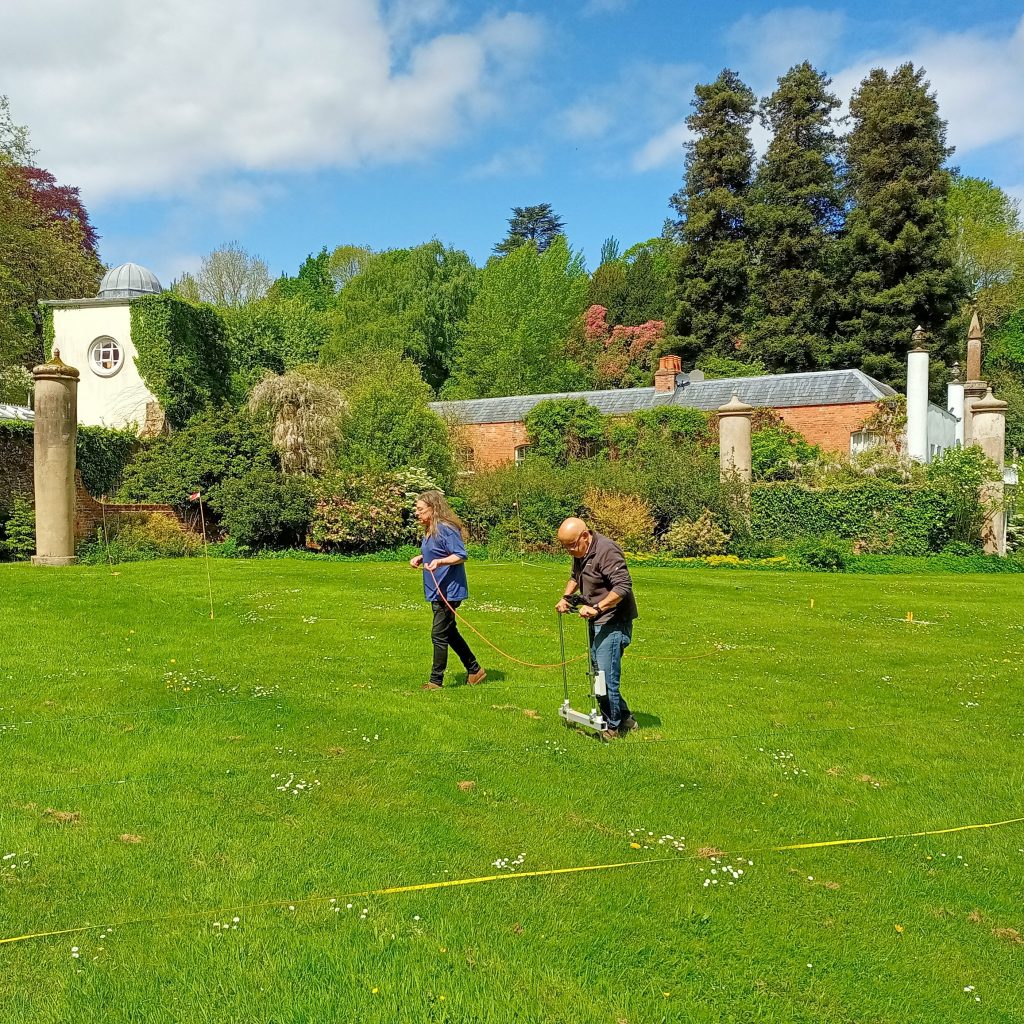
Historic Parkland
The MHNL contains a number of registered (nationally important) and unregistered (locally important) parklands. The management of these areas should benefit farming and nature whilst being consistent with their historical and cultural value.
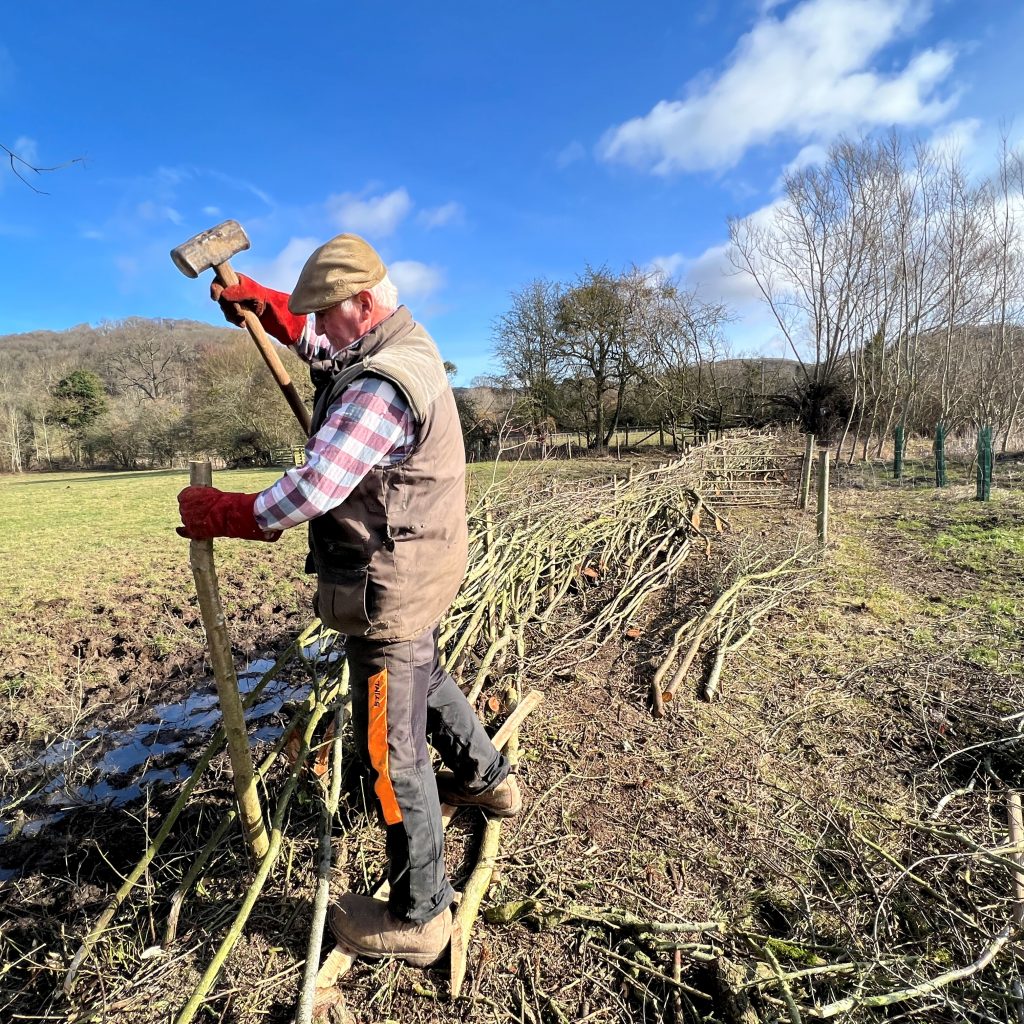
Hedgerows and hedgerow trees
Hedgerows and their trees are habitats in their own right but also serve as vital corridors, allowing wildlife to pass from one place to another. Our focus is planting more hedgerows and hedgerow trees whilst also ensuring that established hedgerows are rejuvenated and well managed.
Streams, ponds and wetlands
We would like to increase the number of ponds and other wetland areas, to improve water quality and habitat quality in our water bodies, to manage invasive species and to help address flooding by slowing the flow of water across land.
Download a Natural Flood Management case study at Swinyard Hill
Scrub
Areas of scrub (long grass, bramble, shrubs etc) have disappeared from much of our countryside. They provide valuable shelter, food and breeding sites for much wildlife. We are working to increase areas of managed scrub, especially in the transitional areas where grasslands meet woodlands.